
Table of Contents
The recent UGC Rules 2026 Supreme Court Stay has created a major discussion across India’s education sector. Universities, colleges, teachers, students, and policymakers are all closely watching how this decision will shape the future of higher education. The Supreme Court’s intervention highlights the importance of balancing regulatory authority with constitutional values such as autonomy, fairness, and freedom of expression.
In this article, we will explain what the UGC Rules 2026 are, why the Supreme Court stayed them, what misuse the court is worried about, and how this decision impacts Indian education.
What Are UGC Rules 2026?

The University Grants Commission (UGC) introduced the UGC Rules 2026 to update and strengthen governance in higher education institutions. These rules aimed to bring uniformity, transparency, and accountability across universities. The government stated that the new rules would improve academic quality, ensure discipline, and make institutions more responsible.
However, critics argued that some provisions gave excessive powers to authorities and could interfere with university autonomy. This is where the UGC Rules 2026 Supreme Court Stay became significant, as it paused the implementation until legal clarity is achieved.
Why Did the Supreme Court Stay the UGC Rules 2026?
Also Read – PSEB 12th Board 2025-26 Latest News: Exam Dates, Syllabus & Big Updates
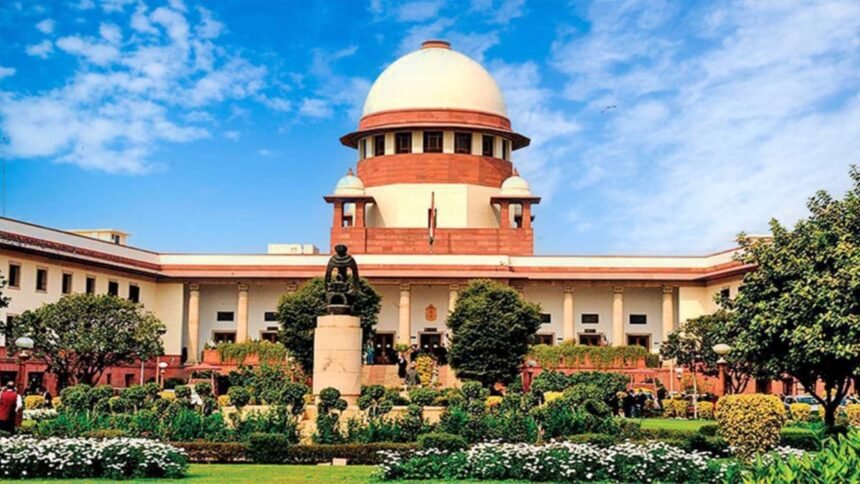
The Supreme Court observed that certain parts of the rules could be “misused” if implemented without safeguards. According to the court, vague or broadly worded regulations may lead to arbitrary actions. This could harm academic freedom and institutional independence.
The UGC Rules 2026 Supreme Court Stay reflects the judiciary’s concern that education should not become overly controlled by administrative power. Universities must be spaces of innovation, debate, and critical thinking, not fear or rigid compliance.
Concerns About Possible Misuse
One of the strongest reasons behind the UGC Rules 2026 Supreme Court Stay is the fear of misuse. Some possible risks include:
- Threat to University Autonomy
Universities might lose their freedom to make academic and administrative decisions. - Excessive Central Control
Too much authority in one body can reduce diversity in education systems. - Impact on Academic Freedom
Teachers and researchers could feel restricted in expressing ideas. - Political or Administrative Pressure
Rules could be used selectively against certain institutions or individuals.
These concerns highlight why judicial oversight is necessary in shaping education policies.
Impact on Students
For students, the UGC Rules 2026 Supreme Court Stay brings both relief and uncertainty. On one hand, it protects their right to study in institutions that function freely without unnecessary interference. On the other hand, delays in implementing reforms can slow down improvements in quality and infrastructure.
Students should understand that this stay is temporary. It is meant to ensure that when the rules are finally applied, they are fair, transparent, and beneficial.
Impact on Teachers and Universities
Teachers and academic staff have largely welcomed the UGC Rules 2026 Supreme Court Stay. Many educators believe that strict regulations can reduce creativity in teaching and research. They want reforms, but not at the cost of independence.
Universities now have time to review the rules, provide feedback, and suggest improvements. This pause allows stakeholders to participate more actively in policy-making.
Legal Importance of the Supreme Court’s Decision
The UGC Rules 2026 Supreme Court Stay highlights the role of the judiciary in protecting democratic values. The court acts as a guardian, ensuring that laws and rules do not violate constitutional rights.
This decision also shows that educational reforms must go through proper consultation and legal scrutiny. Quick implementation without debate can create long-term problems.
Balance Between Regulation and Freedom
Regulation in education is necessary to maintain standards and prevent corruption. However, too much regulation can become harmful. The UGC Rules 2026 Supreme Court Stay reminds policymakers that balance is key.
Education should be guided by:
- Transparency
- Accountability
- Autonomy
- Inclusivity
Only then can reforms succeed.
What Happens Next?
After the UGC Rules 2026 Supreme Court Stay, the government and UGC may:
- Review controversial clauses
- Clarify vague terms
- Add safeguards against misuse
- Consult educational experts
Once these steps are taken, the court may allow the rules to be implemented in a modified form.
Why This Issue Matters for India’s Future
India aims to become a global education hub. For this, policies must inspire trust among students and educators. The UGC Rules 2026 Supreme Court Stay is a reminder that growth must be inclusive, transparent, and constitutionally sound.
Strong education policies shape:
- Skilled workforce
- Innovation and research
- Democratic values
- Social development
Hence, decisions like these have long-term national importance.
Role of Media and Public Awareness
The media plays a vital role in explaining complex issues like the UGC Rules 2026 Supreme Court Stay. Accurate reporting helps people understand that a stay order does not mean rejection, but careful evaluation.
Public discussion ensures that policies remain people-centric and not just administrative.
Conclusion
The UGC Rules 2026 Supreme Court Stay is a crucial step toward ensuring fairness and accountability in India’s education system. It protects institutions from possible misuse of power and gives time for improvements. While reforms are necessary, they must respect autonomy, freedom, and constitutional principles.
This decision strengthens democracy and promotes a healthier educational environment. When the final version of the rules is introduced, it is expected to be more balanced, transparent, and acceptable to all stakeholders.
FAQs
Q1. What is meant by the UGC Rules 2026 Supreme Court Stay?
It means the Supreme Court has temporarily stopped the implementation of UGC Rules 2026 due to concerns about their possible misuse.
Q2. Are UGC Rules 2026 cancelled?
No, they are not cancelled. They are only paused until the court reviews their legality and impact.
Q3. Why did the court say the rules could be misused?
Because some provisions were broad and could allow authorities to take arbitrary or unfair actions.
Q4. How does the UGC Rules 2026 Supreme Court Stay affect students?
It protects their rights by ensuring that educational reforms are fair and balanced before implementation.
Q5. Will the rules be changed after the stay?
Most likely, yes. The government may revise certain sections to address the court’s concerns.
Q6. Does this stay oppose education reforms?
No. The UGC Rules 2026 Supreme Court Stay supports better reforms by ensuring they are legally and ethically sound.
Q7. When will the final decision be made?
It depends on further hearings and discussions between the court, UGC, and the government.